The closest suburban address to an active venue
Most suburban Miami-Dade locations plan a show around a meaningful drive to wherever the venue happens to be. Miami Springs is the exception. The neighborhood's southern edge runs directly along Miami International Airport, and the Miami Airport Convention Center along with its adjoining hotel meeting spaces sits close enough that a Miami Springs-based crew can often reach the loading dock in minutes rather than the half hour or more that other parts of the county require.
That proximity changes the economics of a program in real ways. Crews do not need to leave as early, freight does not need as much lead time in transit, and same-day adjustments during move-in are genuinely possible because the staging point and the venue are effectively neighbors. We build Miami Springs schedules to take advantage of that rather than defaulting to the same buffers we would use for a program based further out in the county.
Living and working next to an active airport
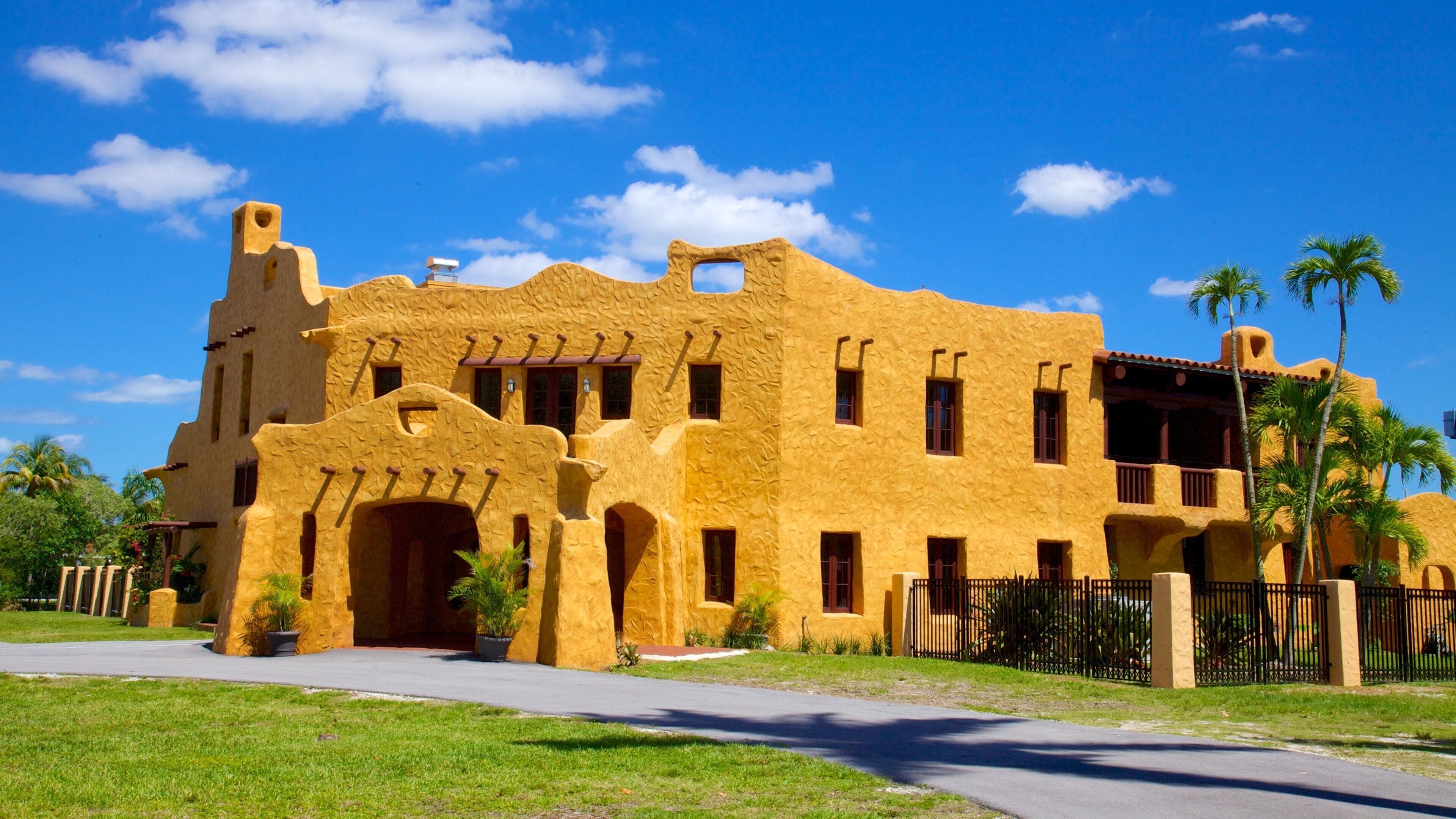
Miami Springs was laid out with curving streets and Mediterranean Revival architecture decades before the airport grew into its current scale, and today the neighborhood exists in close, working coexistence with one of the busiest airports in the country. Flight paths, cargo operations, and the constant flow of ground traffic around the airport perimeter are part of daily life here, and that same infrastructure is what supports efficient freight movement for a nearby trade show: ground routes built to move passengers and freight through a major international airport also move trade show crates and crew vehicles efficiently.
The Miami Airport Convention Center cluster
The venue cluster nearest to Miami Springs centers on the Miami Airport Convention Center, along with the DoubleTree by Hilton Miami Airport & Convention Center and the Sheraton Miami Airport Hotel & Executive Meeting Center around it. Together these host a steady calendar of regional trade shows and corporate meetings, and their location right at the edge of Miami Springs makes them the default venue for a Miami Springs company either hosting or exhibiting.
Because these venues sit inside a hotel and meeting-center campus rather than a single standalone convention hall, move-in logistics tend to be more contained: shorter dock lines, more predictable freight elevator access, and a general contractor operation sized for mid-size regional shows rather than the largest annual conventions. That scale suits many Miami Springs-based exhibitors well, and we tailor crew size and schedule to match it rather than over-resourcing a smaller show.
Miami Springs routing and venue mix
Miami Springs sits in the Airport, Doral, and West Access Belt. Important for airport-adjacent conventions, west-side freight access, fabrication routing, and exhibitors who need easier trucking and warehouse movements than the beach corridor allows.
The venue comparison often starts with DoubleTree by Hilton Miami Airport & Convention Center, then expands into delivery timing, guest movement, and whether the district gives the crew enough room to recover from late changes.
Where the district helps or hurts the schedule
Beach corridors usually need more sensitivity around hotel guests, limited curb activity, and cross-town travel. Downtown rooms put more weight on garage access, elevator timing, and business-day traffic. Airport-west and Doral programs can simplify freight but still need clean paperwork and service-order discipline.
Miami Springs should be chosen because it supports the event's operating needs: where freight can arrive, how quickly a supervisor can reach the room, what hotel or sponsor activity surrounds the show, and how much buffer the strike plan requires.
Planning decisions to lock early
Product Launch Environments is the next practical question when Miami Springs is part of the assignment because service scope determines how much labor, logistics, and floor authority the corridor needs.
Confirm the primary venue, receiving path, staging options, parking or marshaling expectations, hotel activity, and who has authority to approve field changes before the crew arrives.
- Name the building and receiving path before labor assumptions are finalized.
- Match supervisor coverage to travel time and likely change volume.
- Build strike timing around the district, not only the show close time.
Cost drivers for Miami Springs, FL
Miami Springs, FL pricing should be tested against the conditions that actually create cost: freight release timing, material handling exposure, labor depth, overtime risk, graphics changes, utility orders, AV testing time, and how much supervision the room needs once multiple vendors are active.
DoubleTree by Hilton Miami Airport & Convention Center can shift those costs quickly. A room with tighter access, more technical dependency, or heavier guest-facing pressure may need earlier approvals and more conservative crew planning than the same service scope would require in a simpler ballroom setup.
Stakeholder handoffs for Miami Springs, FL
Marketing, sales, operations, procurement, venue contacts, and the show organizer usually look at miami springs, fl from different angles. The handoff map should show what each group must approve, what can still change, and which person has authority when a field decision affects cost or timing.
Product Launch Environments becomes useful when that handoff map needs a clear operating owner. It keeps the service scope connected to labor calls, freight handling, service orders, and final punch work instead of leaving each decision in a separate thread.
Field notes for the next South Florida date
Miami Springs, FL should leave behind more than a finished room. Supervisor notes, freight condition, missing parts, graphics wear, labor timing, lead-capture issues, and stakeholder feedback should be captured while the show is still fresh.
West Miami context matters on the next calendar too. What worked in one corridor may need a different receiving plan, schedule buffer, or staffing posture at the next venue, especially when the program moves between Miami-Dade and Broward.
- Record actual install and strike timing, not only the planned schedule.
- Document freight, graphics, AV, and service-order issues while the team can still see the cause.
- Carry venue-specific lessons into the next show brief before a new estimate is approved.
First hour on site for Miami Springs, FL
The first hour should confirm the receiving condition, crate or rental inventory, booth footprint, utility status, graphics priority, and the communication path to the service desk. For miami springs, fl, that early check prevents the crew from building around a missing decision.
A supervisor should also verify whether the plan still matches the room. If the aisle condition, rigging note, power drop, storage option, or sponsor requirement has changed, the adjustment needs to be made before labor is buried in work that will have to be touched twice.
Approval trail and closeout discipline
Miami Springs, FL works better when approvals are visible: final artwork, structural assumptions, outbound labels, rental return condition, AV ownership, service desk notes, and any client changes that affect cost. The paper trail protects the opening and the post-show conversation.
Closeout should produce a cleaner next estimate. The team should know which materials traveled well, which timing assumptions were wrong, which venue requirements created friction, and whether the same service scope should be repeated, simplified, or upgraded for the next South Florida date.