Miami Trade Show Installation
Miami installs that stay controlled when the calendar tightens.
Trade Show Installation of Miami keeps venue rules, labor calls, freight movement, graphics readiness, AV coordination, and show-site leadership in one operating brief so the opening does not get left to improvisation.
Miami Beach Convention Center: 1.4 million total square feet.
Miami Airport Convention Center: 172,000 square feet of meeting and trade show space.
Broward County Convention Center adds Fort Lauderdale spillover with 350,000 contiguous exhibit square feet.
The Miami Beach Convention Center meetings section describes 1.4 million total square feet, nearly 500,000 square feet of versatile exhibit space, a 60,000-square-foot Grand Ballroom, a 20,000-square-foot Junior Ballroom, and 84 breakout rooms.
SourceAirport-side convention capacityThe published Miami Airport Convention Center listing highlights 172,000 square feet of conference, trade show, and meeting space, including 100,000 square feet of exhibition space, a 29,000-square-foot ballroom, and 45 breakout rooms.
SourceRegional spillover venue depthThe Broward County Convention Center site positions Fort Lauderdale as a major South Florida overflow market and lists 350,000 square feet of contiguous exhibit space plus a 31,639-square-foot meeting venue, with future campus expansion language above 1.2 million square feet.
SourceThe operating lanes that actually decide the week
The site is structured around the parts of the job buyers really compare: who owns the room, who owns the schedule, and what still needs to be resolved before the crew ever touches the floor.
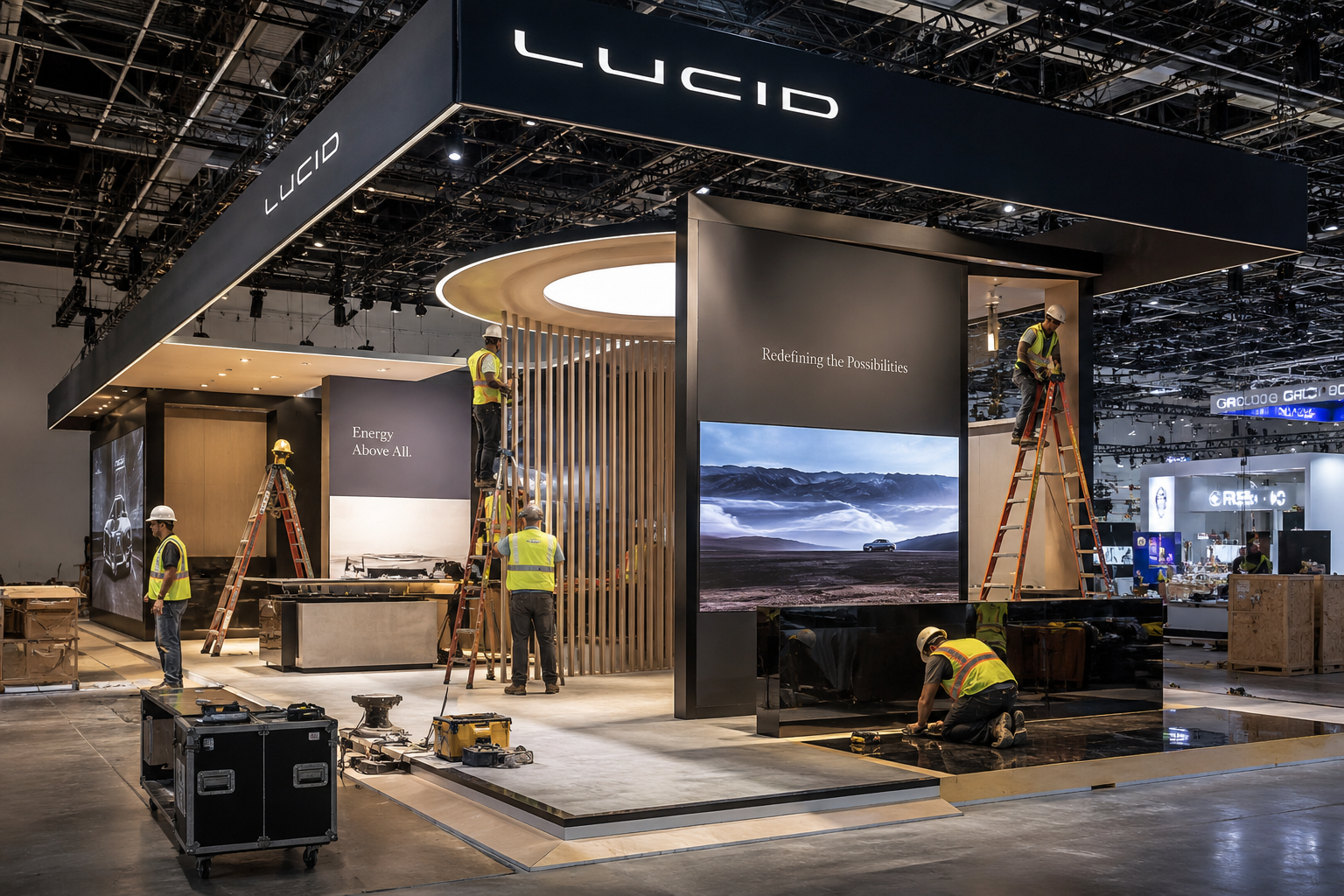
Program leadership that keeps the week connected
Trade show management coverage is built for teams who need scope, labor, venue paperwork, freight, and floor accountability living inside one brief.
Read route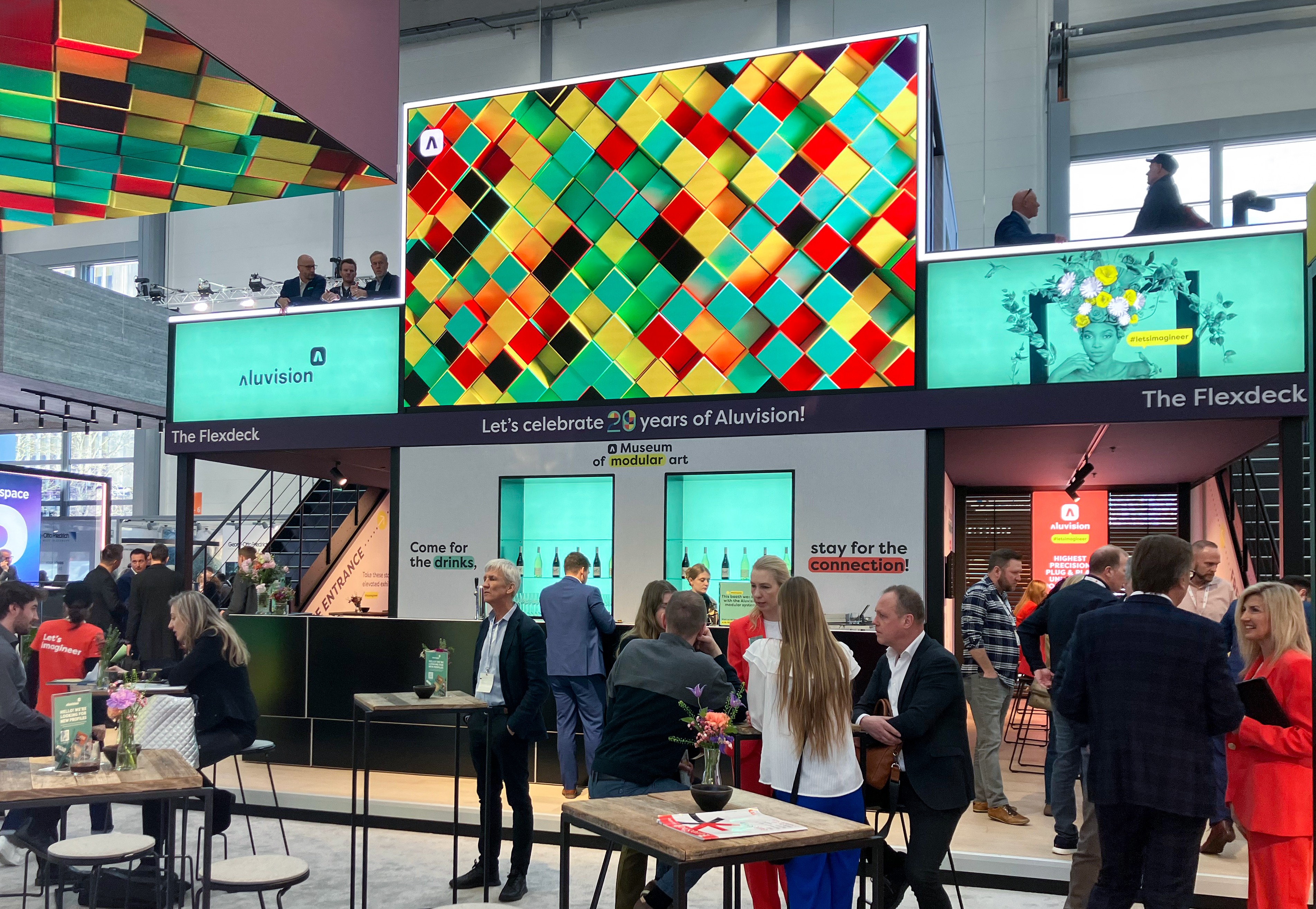
I&D plans built around dock windows and real strike pressure
Installation and dismantle support stays tied to venue timing, service rules, outbound handling, and the details that decide whether close-out stays clean.
Read route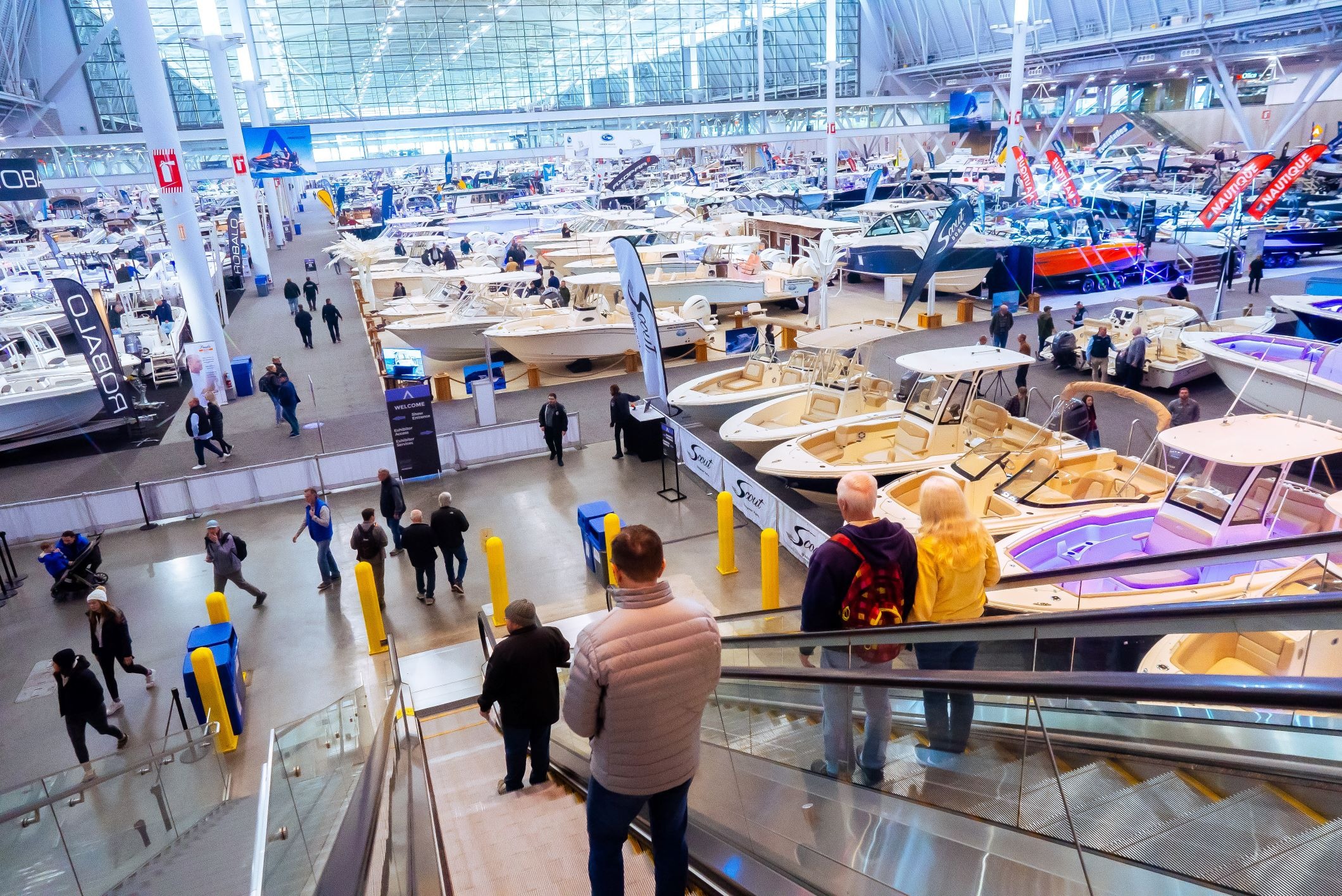
AV and technical layers that do not drift away from the install path
Lighting, LED, power, and show-floor media are scoped as operating decisions, not add-ons that show up late and destabilize the room.
Read routeCoverage built around real Miami pressure points
Miami installation scope gets clearer when venue, district, format, and booth decisions are visible together before labor, freight, and show services start compressing the week.
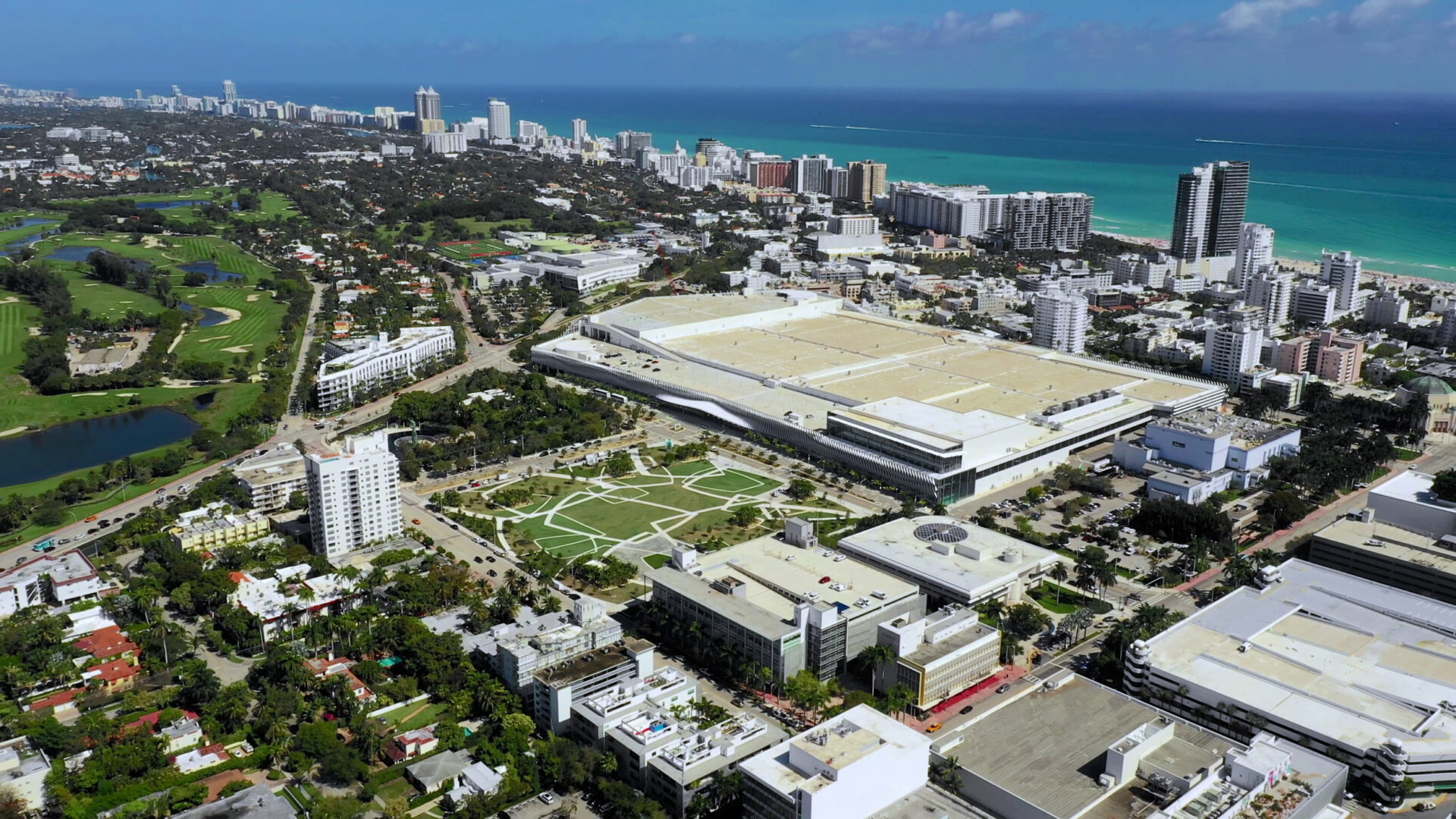
Convention-center scale
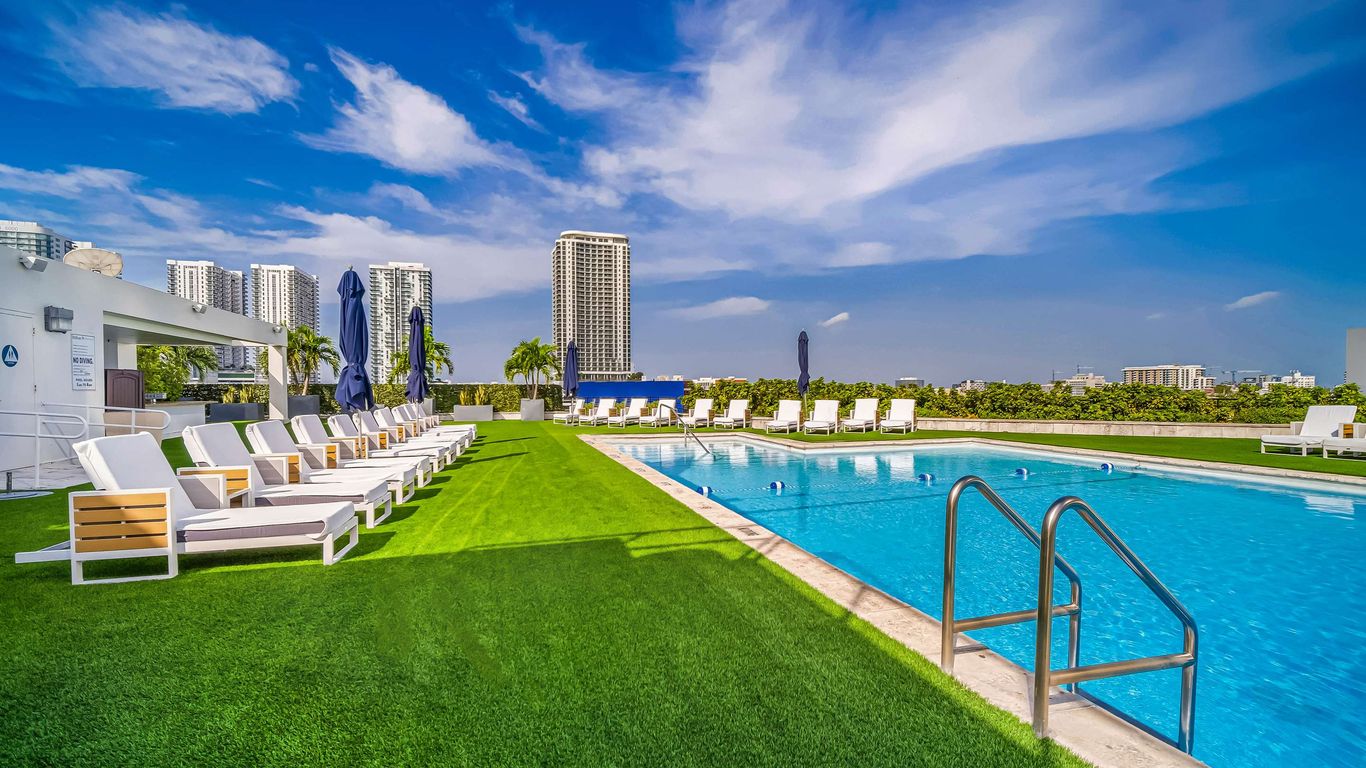
Profiles and service routes built for Miami Beach Convention Center work where dock discipline, exhibit scale, and show services coordination matter early.
Downtown and Brickell programs
Urban hotel and conference environments where deliveries, guest experience, and tight scheduling all have to stay visible at the same time.
Activation-heavy environments
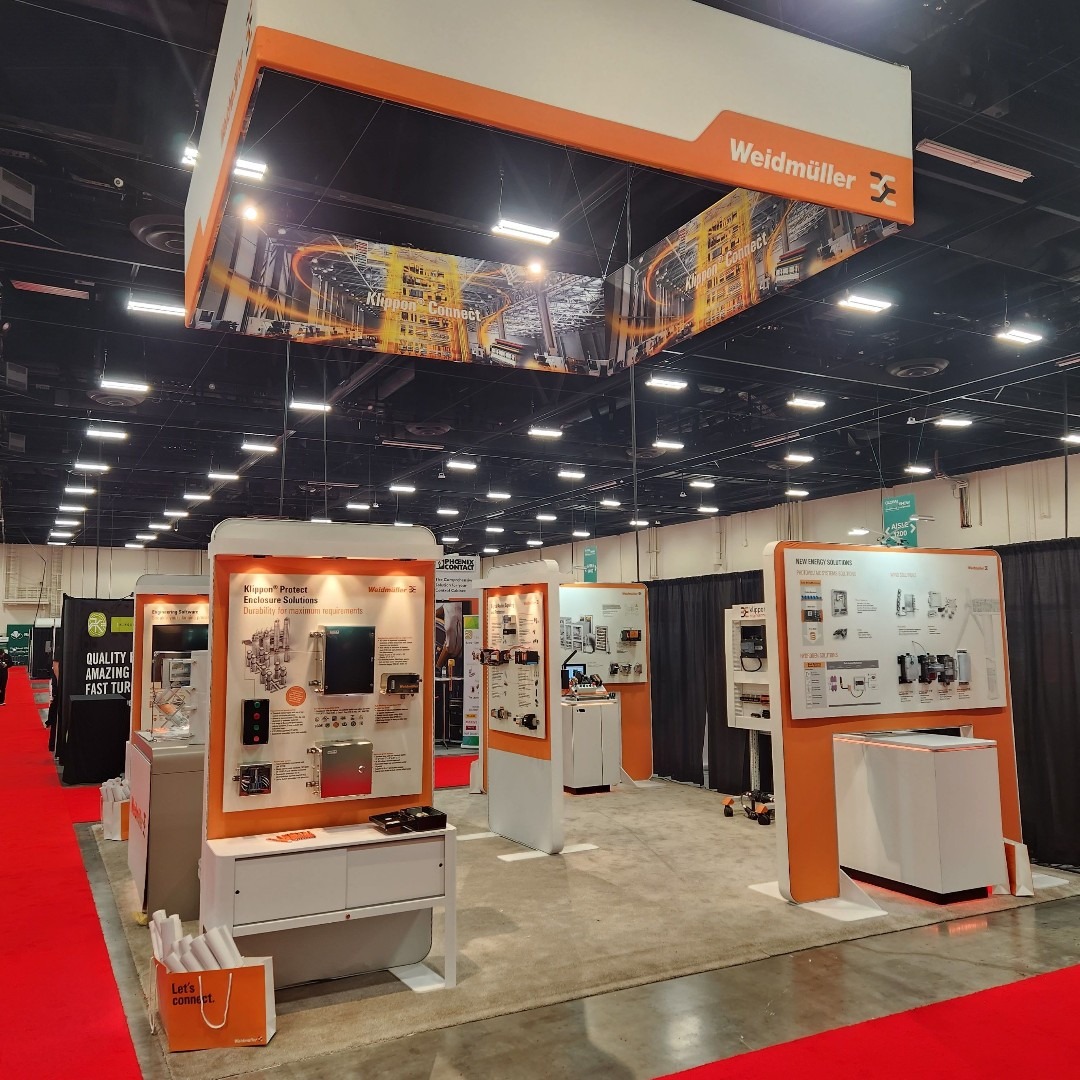
Launches, sponsor builds, and experiential work that need stronger technical direction, tighter vendor timing, and cleaner field control.
Larger-footprint exhibits
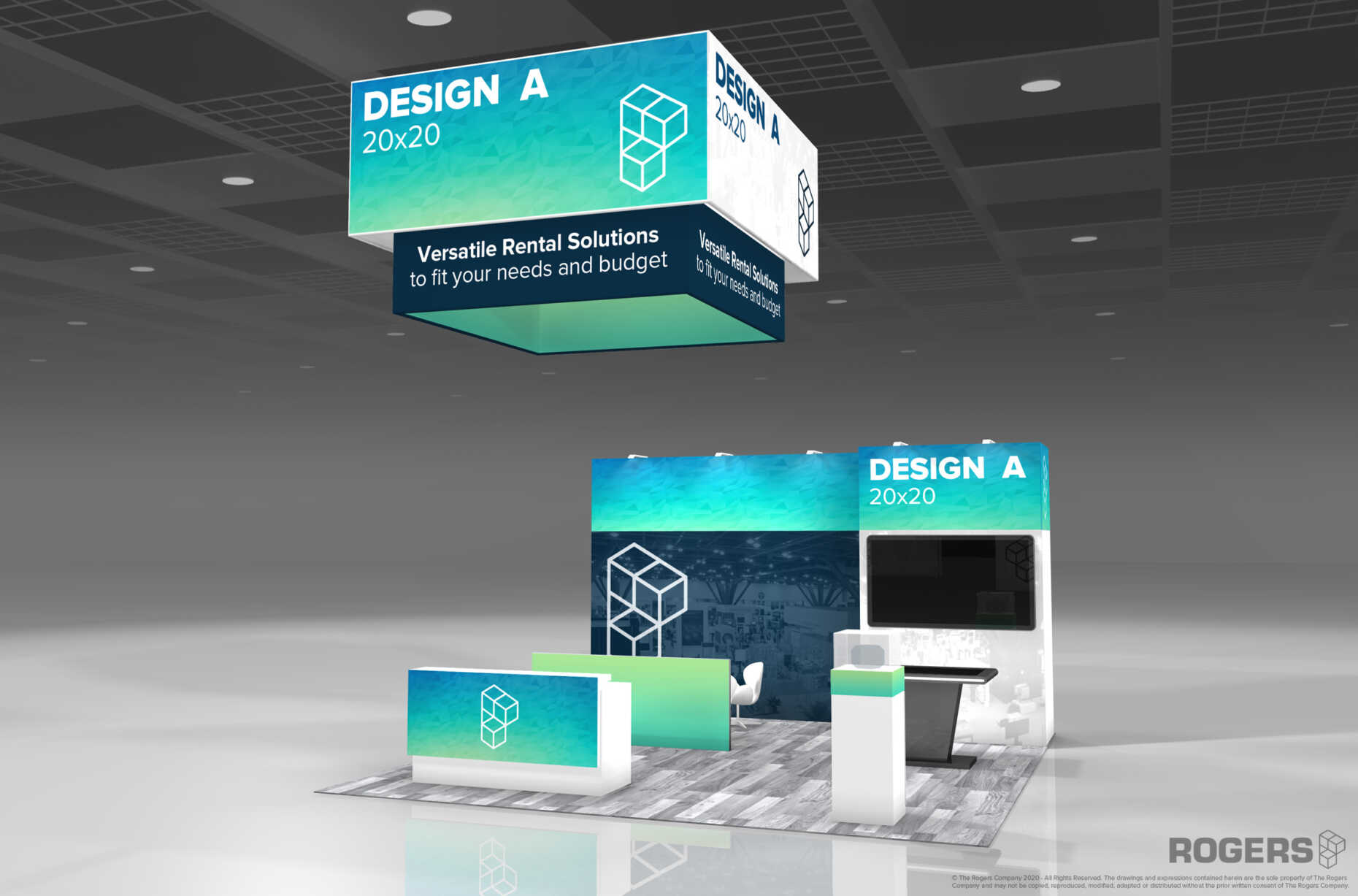
Island and custom booth routes that surface the structural, freight, graphics, and strike questions buyers should settle before labor is committed.
Venues that change the install plan before the freight moves
Building rules, dock cadence, service partners, and guest-facing expectations all influence how much control the install team needs on the floor.
Miami Beach Convention Center
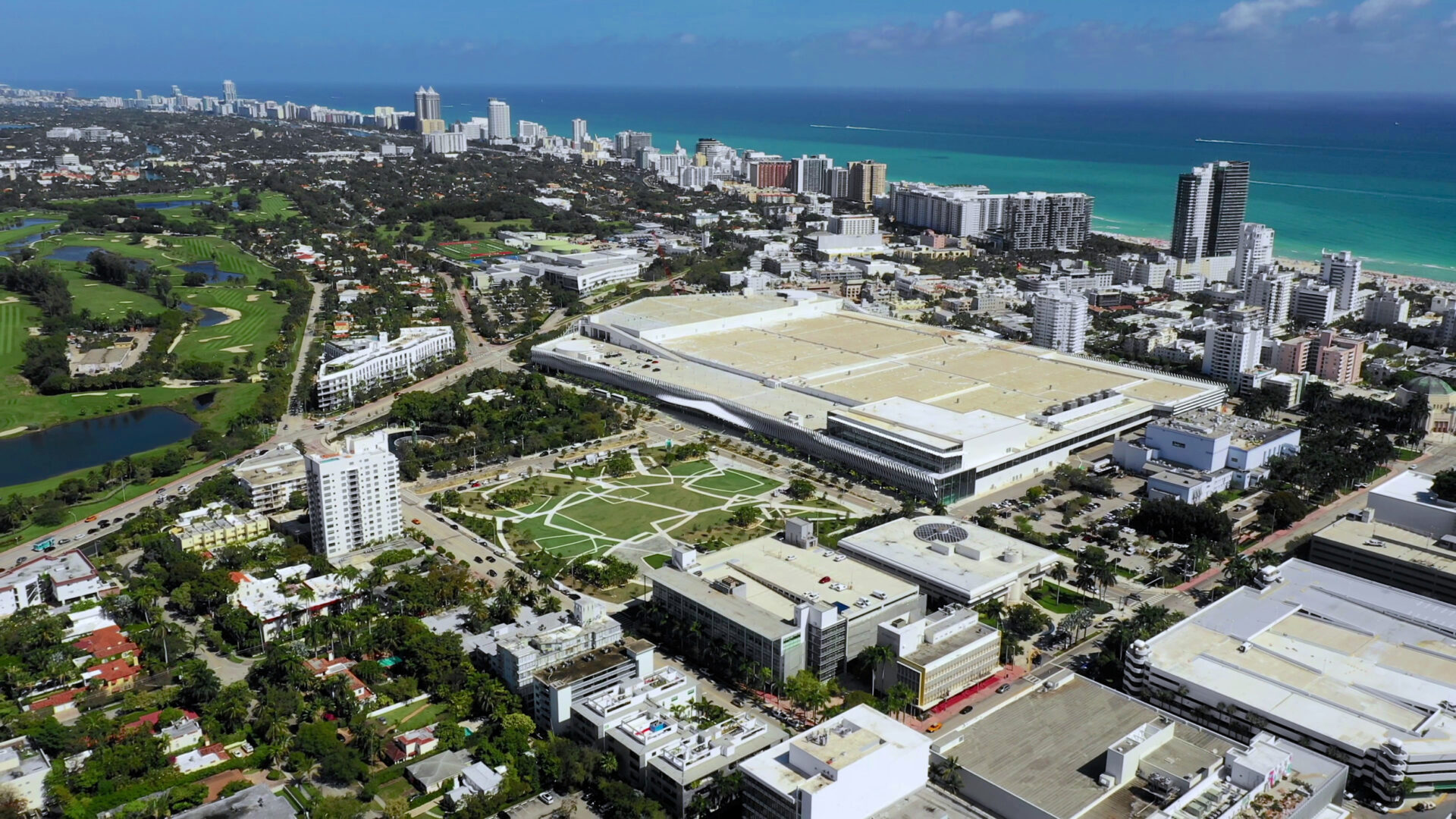
Large exhibit halls, tight service deadlines, and beach-corridor movement make the dock plan and on-floor authority matter early.
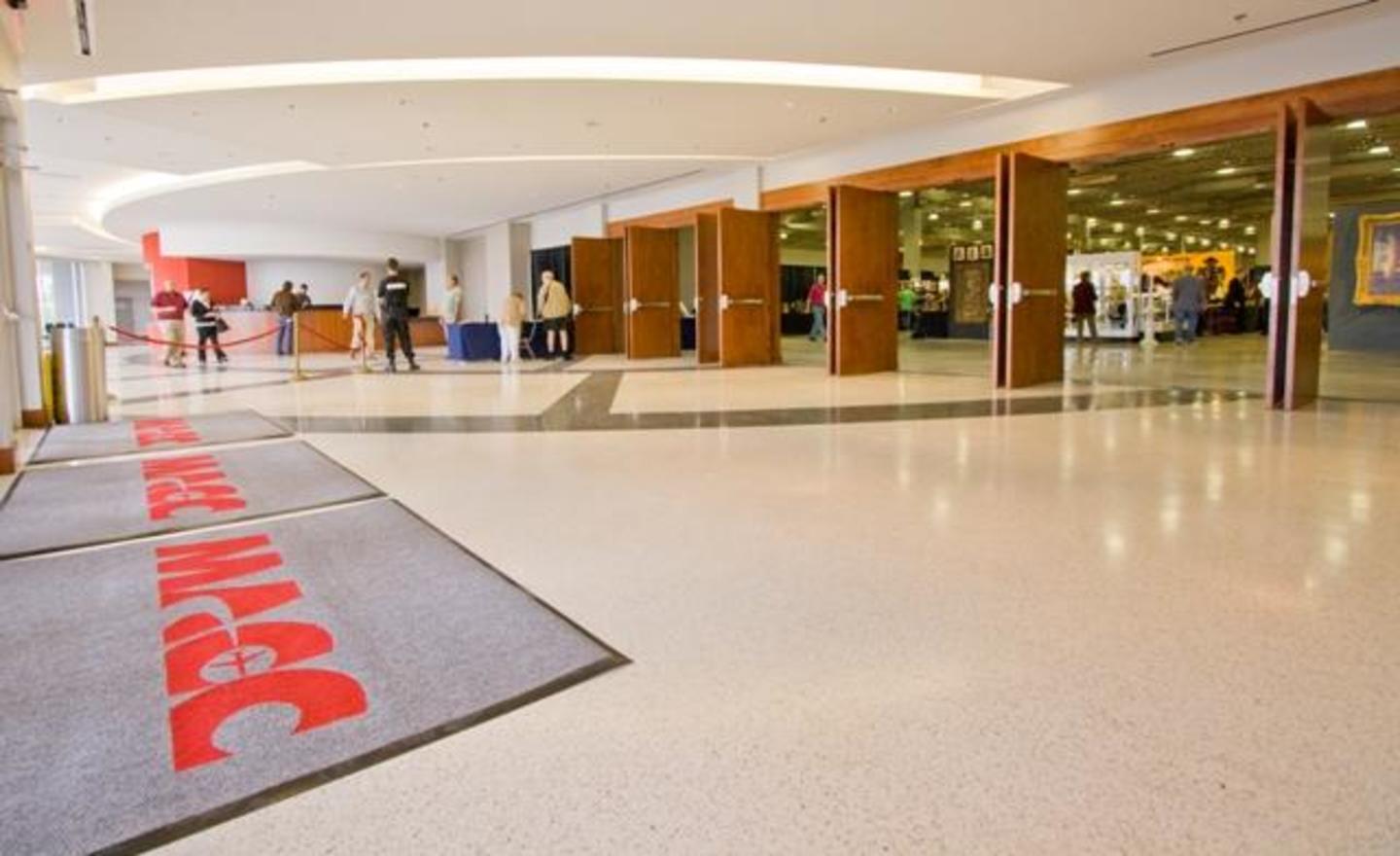
Miami Airport Convention Center
Airport-west programs reward sharper freight timing, utility planning, and install sequencing before crates reach the building.
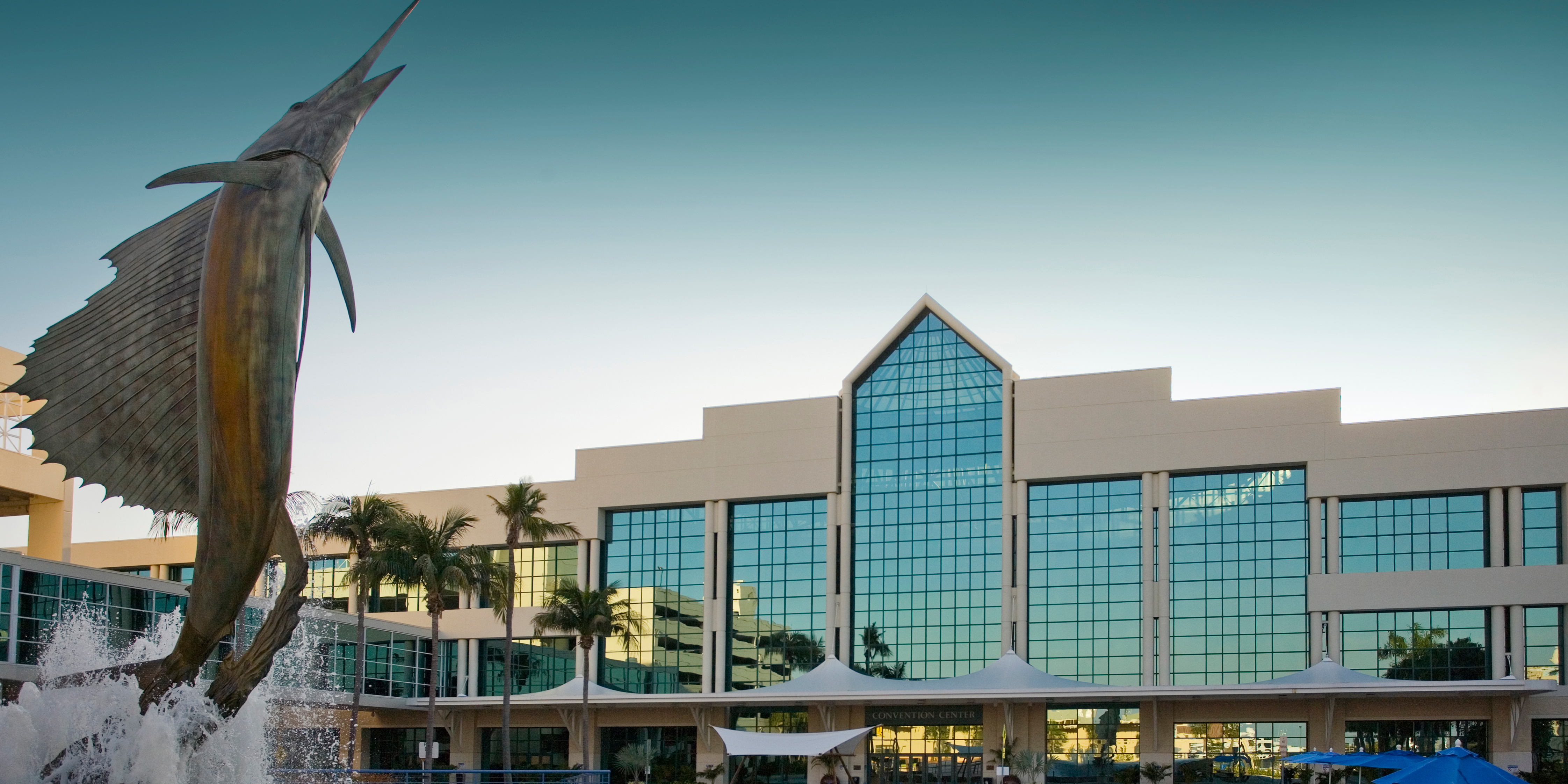
Broward County Convention Center
Overflow and regional calendars need a South Florida plan that keeps Broward routing, labor, and strike recovery connected to Miami teams.
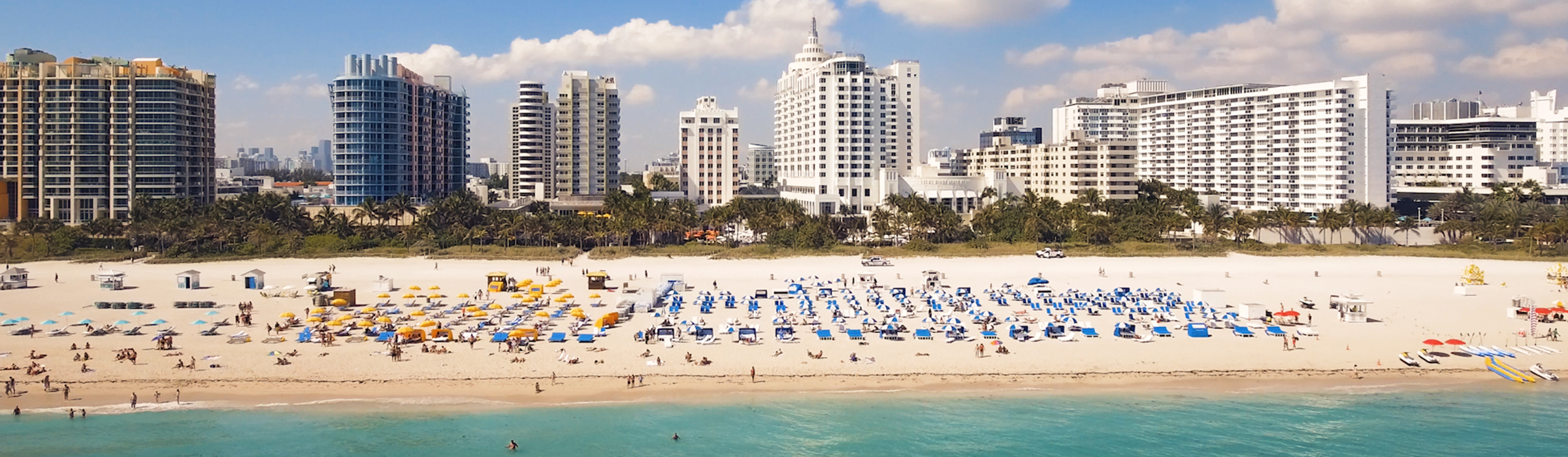
Loews Miami Beach Hotel
Beachfront ballroom programs put guest traffic, dock access, hospitality timing, and install polish on the same clock.
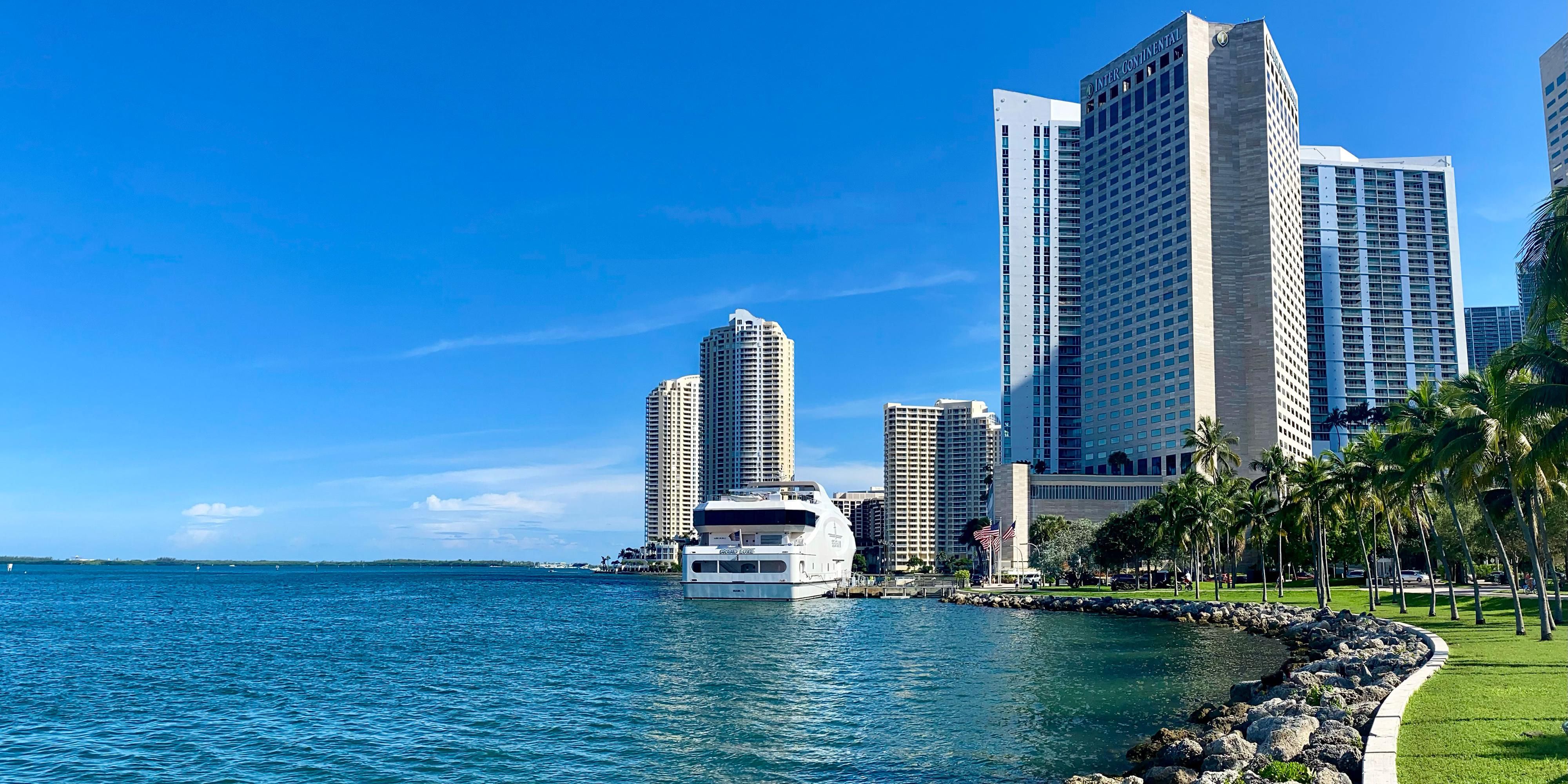
InterContinental Miami
Downtown bayfront events need clean staging, elevator timing, and technical coordination before the room starts turning live.
Locations that decide routing, crew rhythm, and recovery time
Miami Beach, downtown, airport-west, and Broward support lanes each create a different operating rhythm for installation, supervision, and strike.
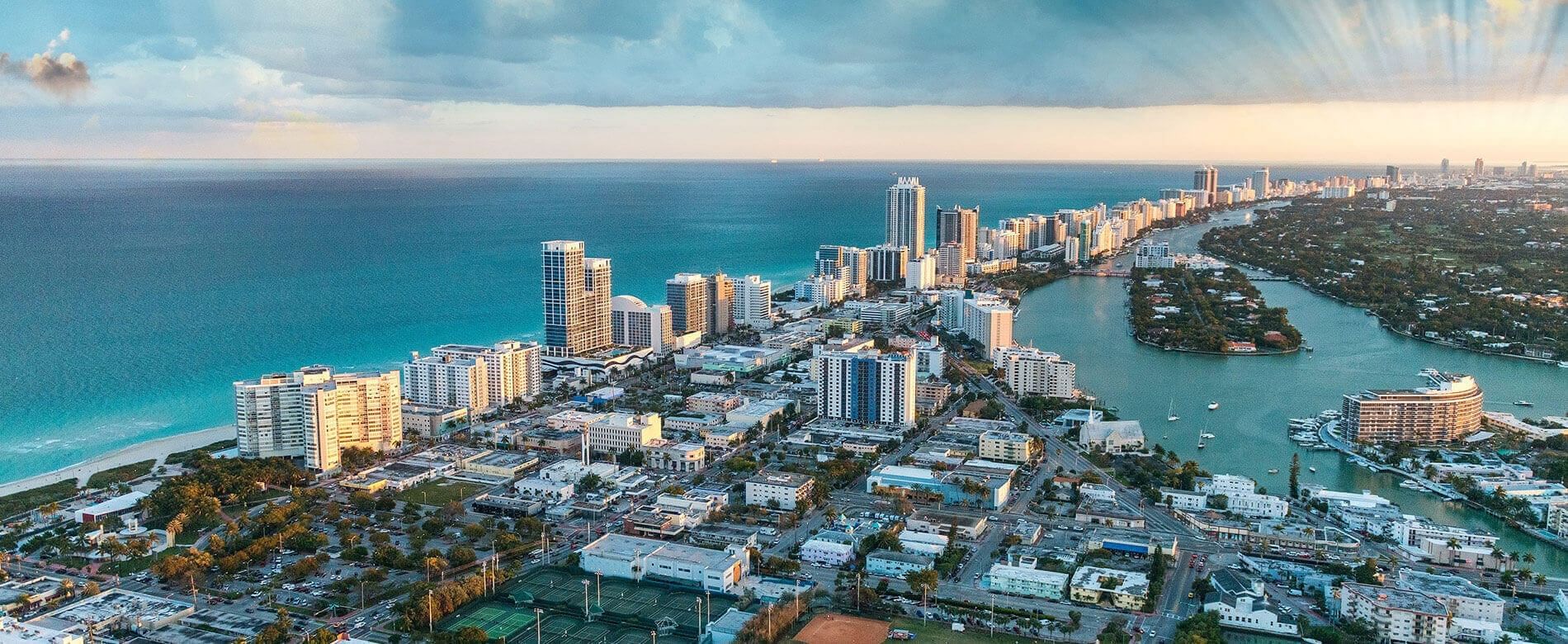
Miami Beach
Convention-center work, hotel programs, and Collins Avenue logistics require a plan that respects guest movement and loading pressure.
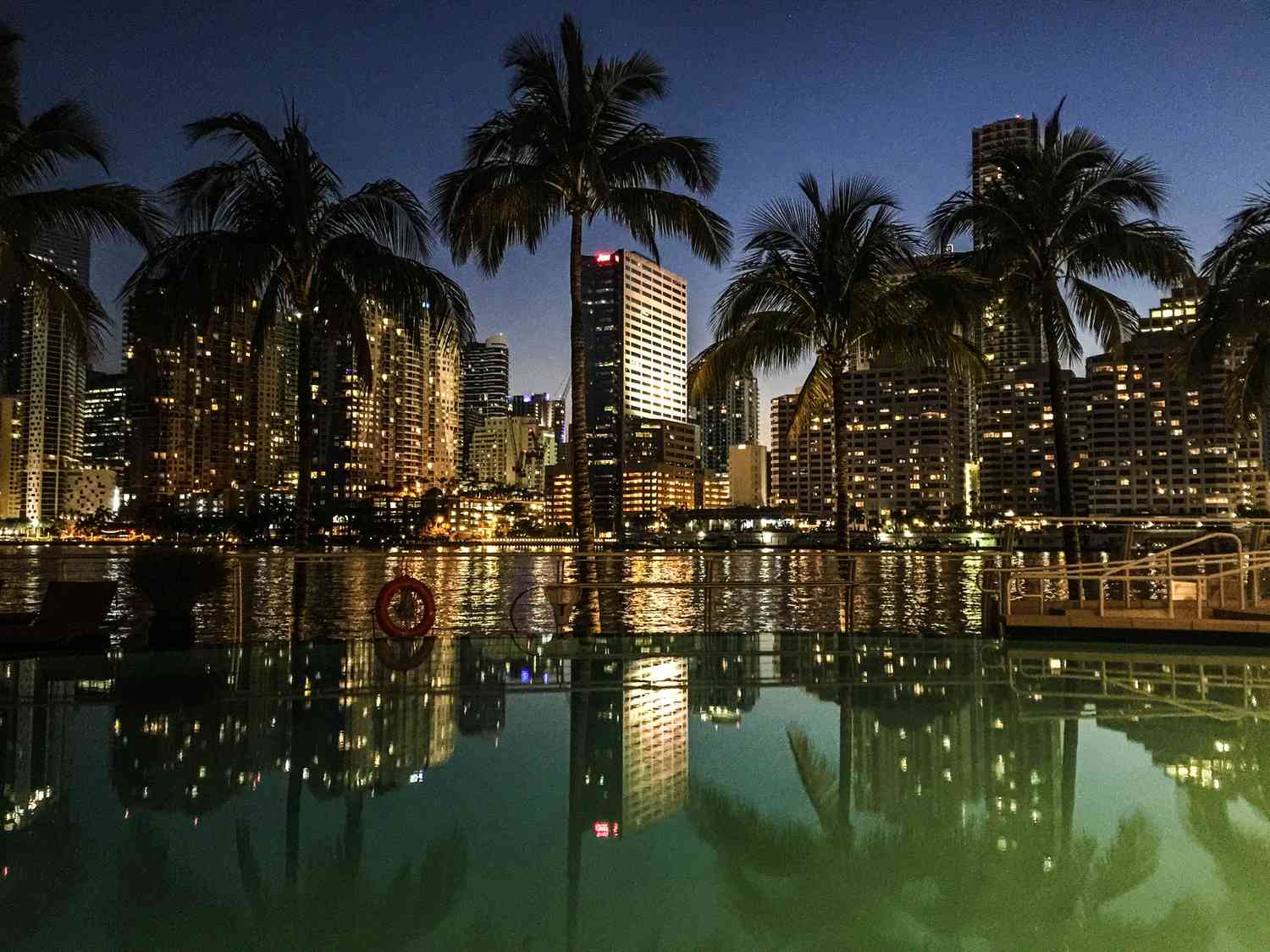
Downtown and Brickell
Investor events, conference hotels, and waterfront schedules ask for tighter delivery timing, staging discipline, and client-facing polish.
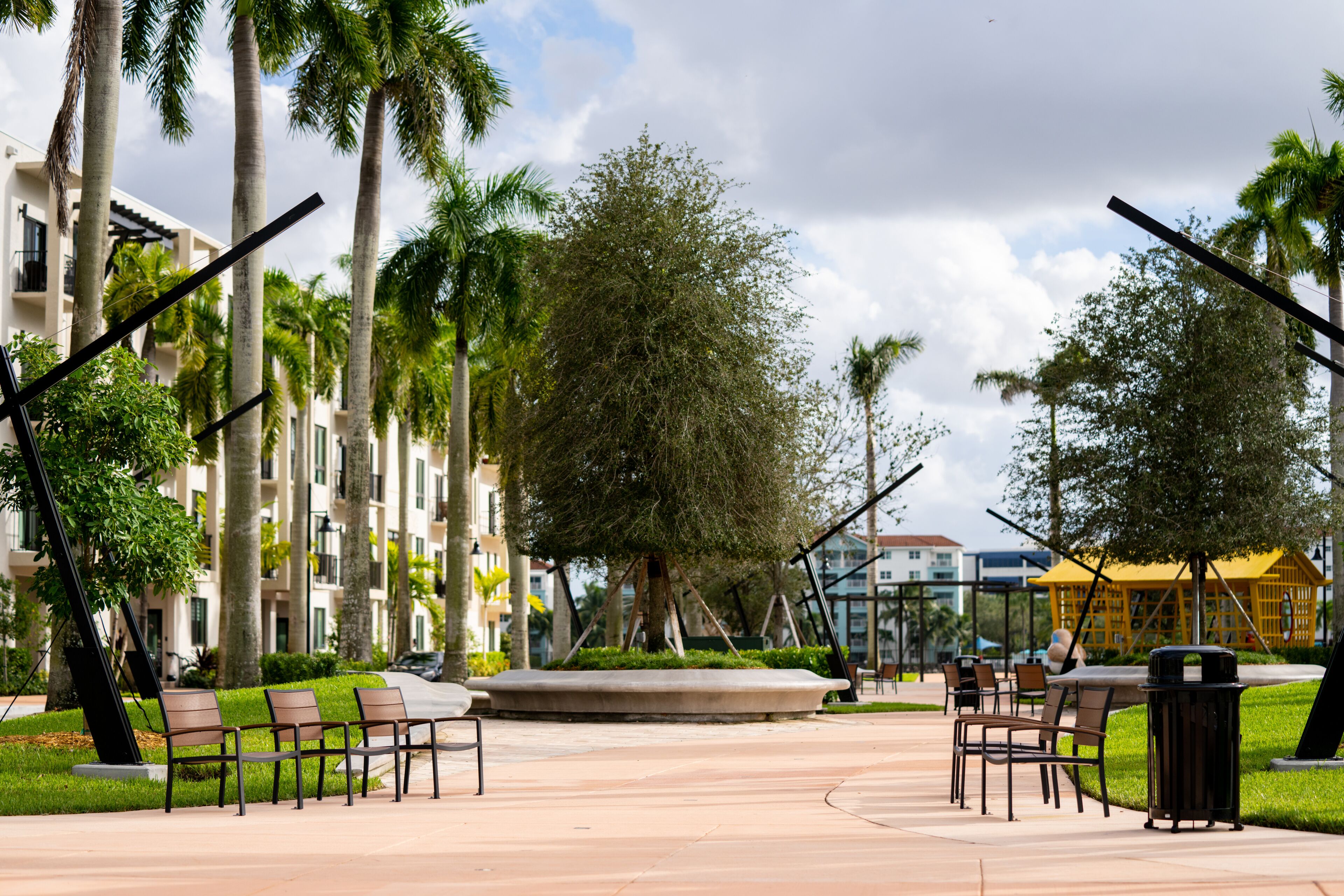
Doral and airport west
Warehouse access, airport routing, and west-side venues are useful when the project needs practical freight movement and faster resets.
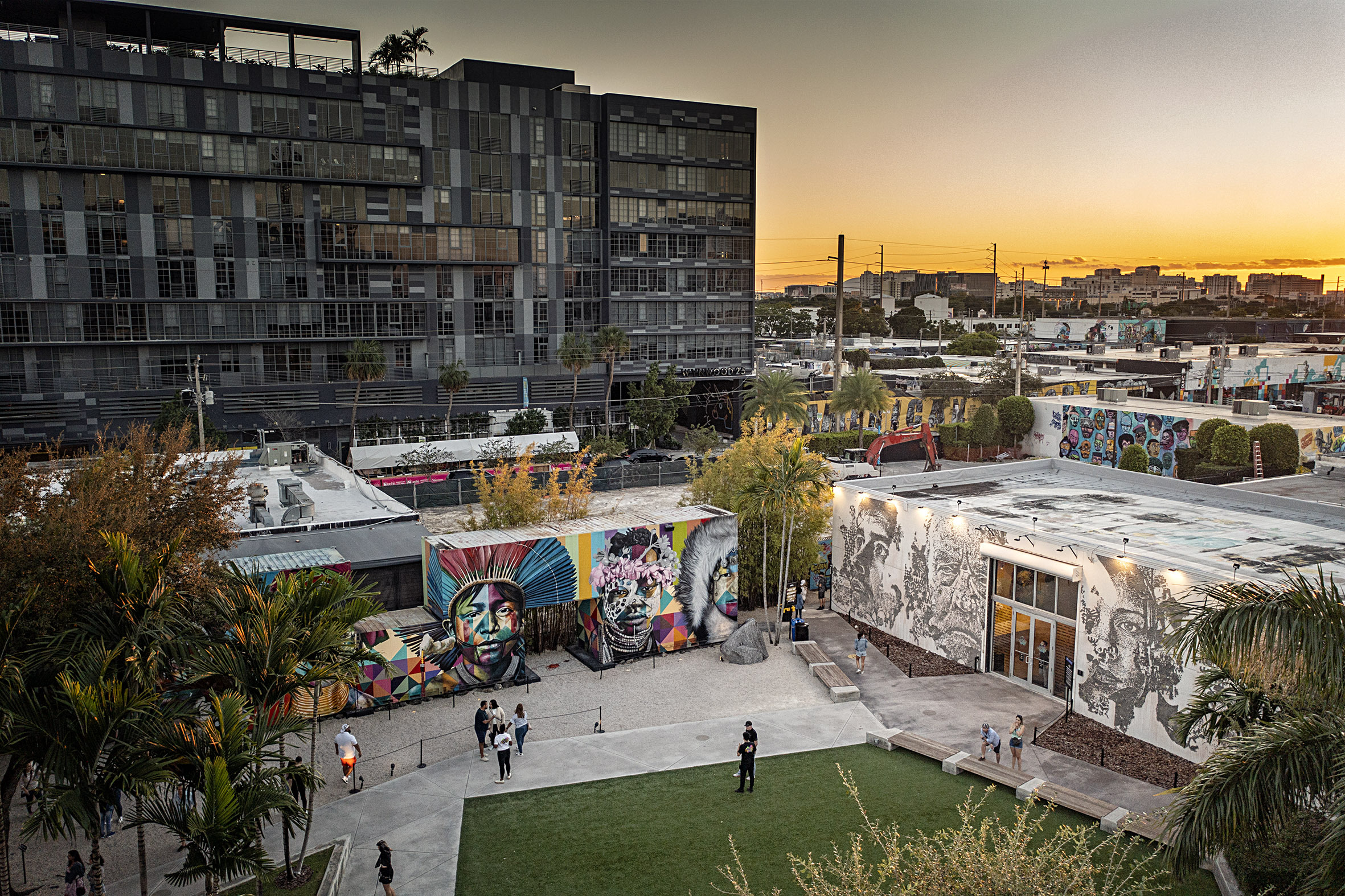
Wynwood and Midtown
Creative-district activations need tighter control around street access, sponsor build timing, branded environments, and fast resets.
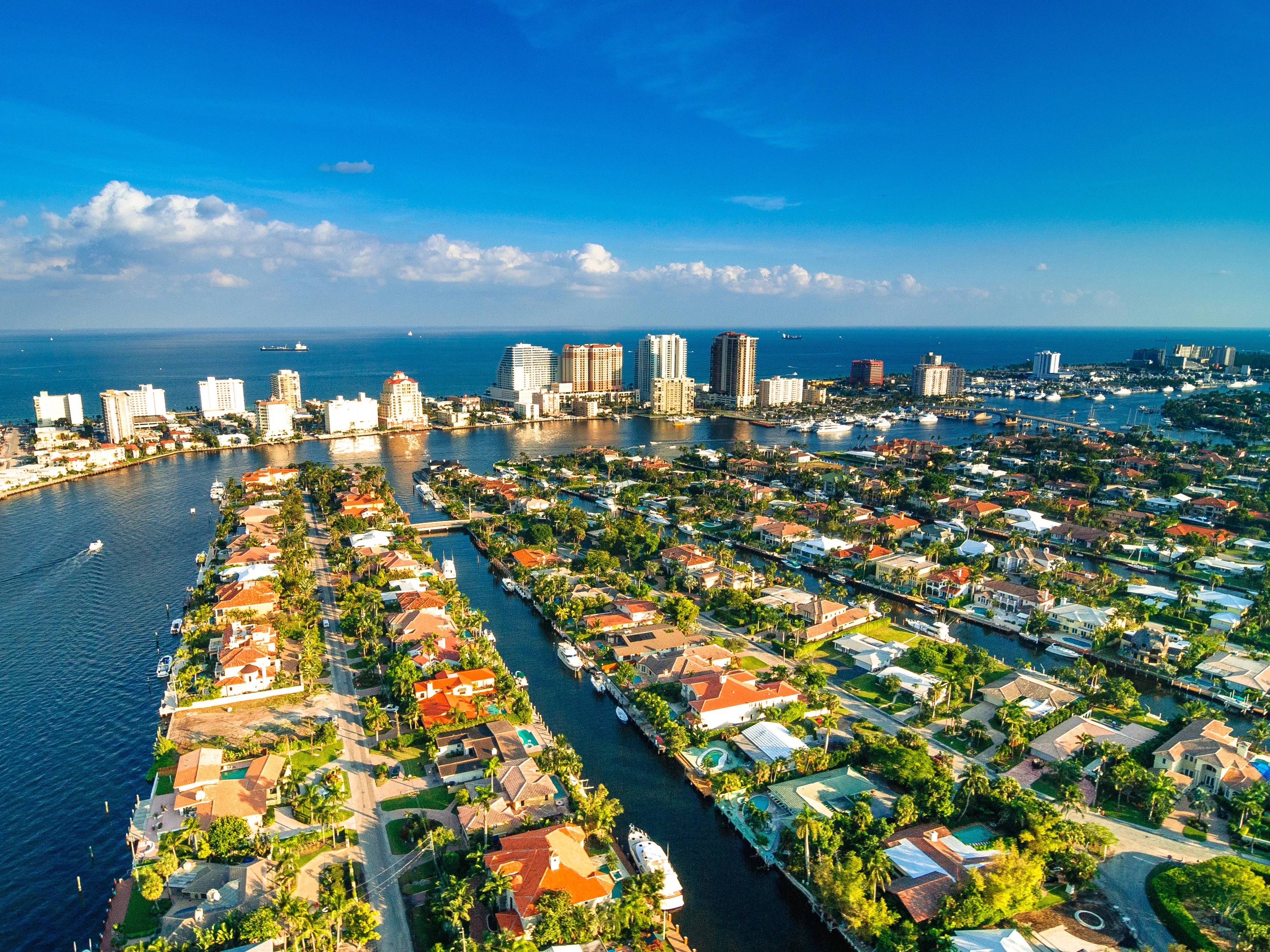
Fort Lauderdale and Broward
Regional overflow work adds drive-time, labor, and strike-recovery decisions that should be visible before the Miami schedule locks.
Explore the Miami install stack
Start with the part of the program that is already putting pressure on the week: services, venues, locations, event format, booth type, capability, rental need, or industry.
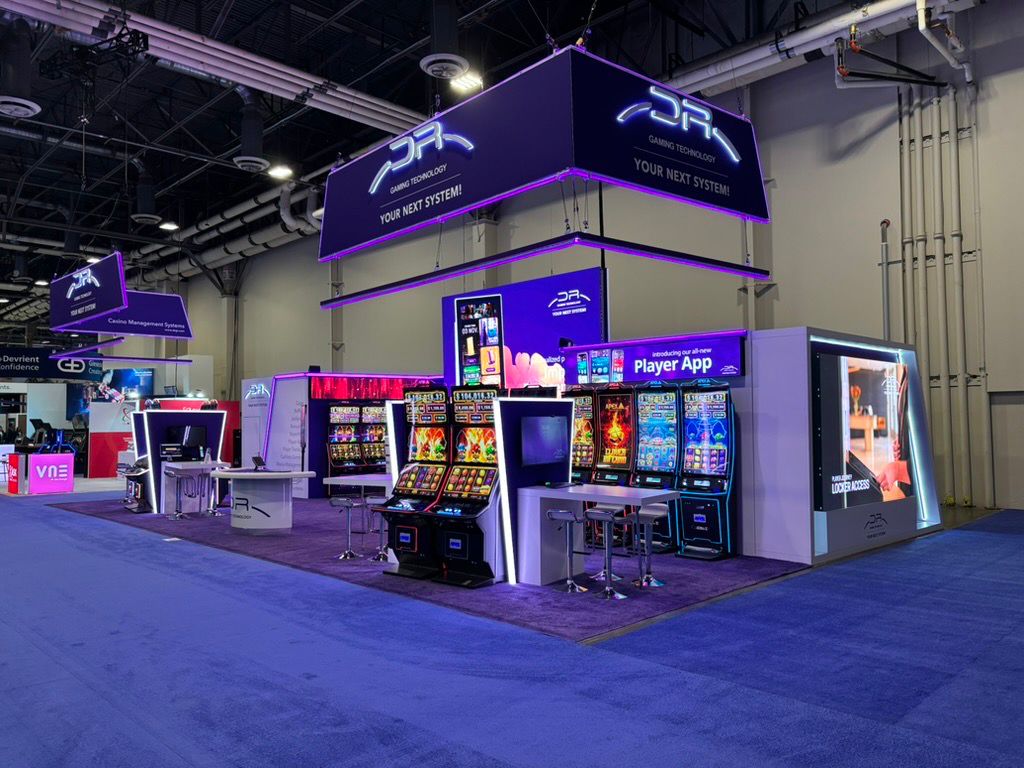
Services
I&D, labor, graphics, AV, freight, and field leadership routes.
Open sectionVenues
Building-level planning sections for convention centers and conference hotels.
Open section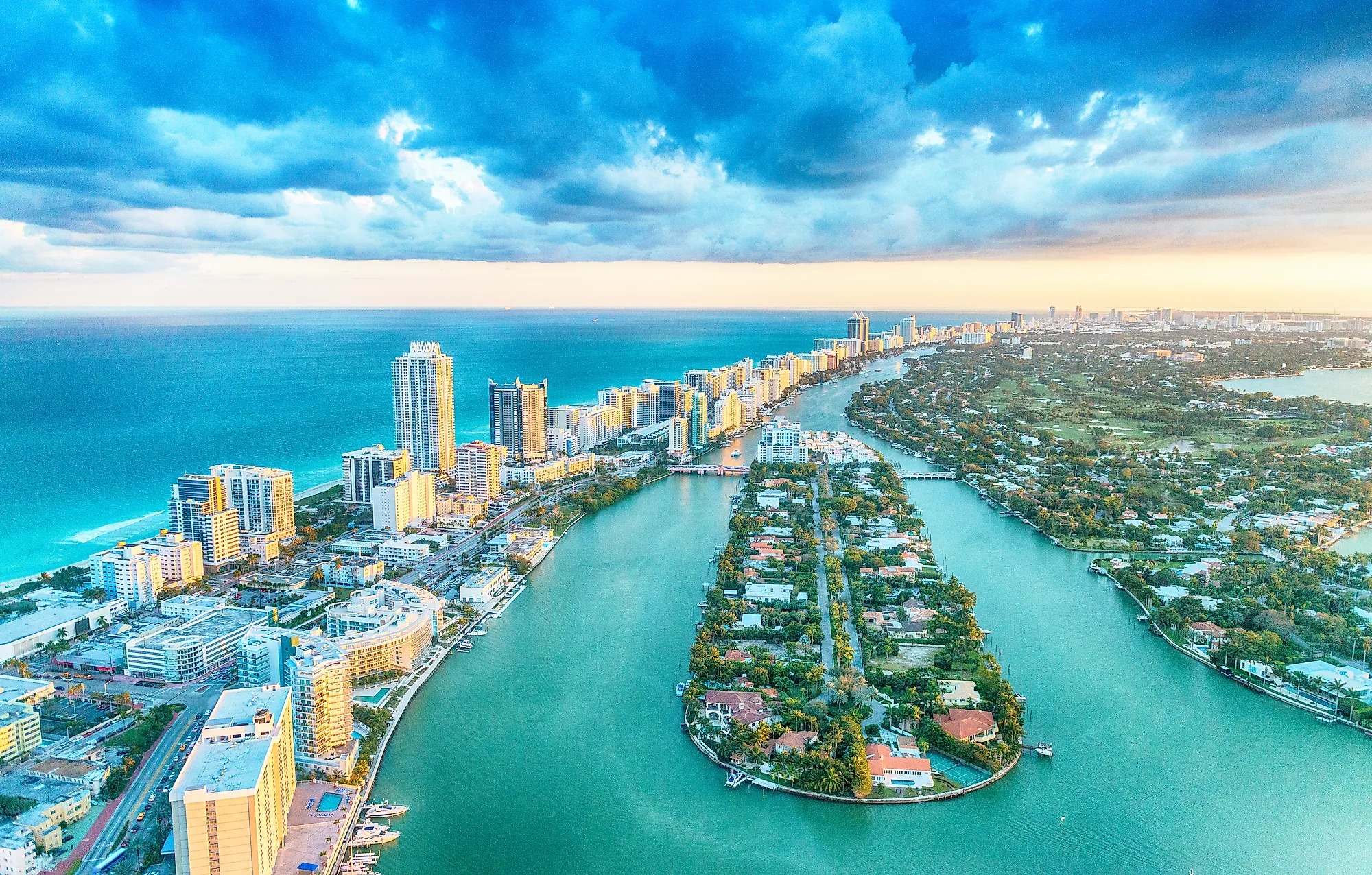
Locations
District coverage across Miami Beach, Brickell, airport-west, and spillover lanes.
Open section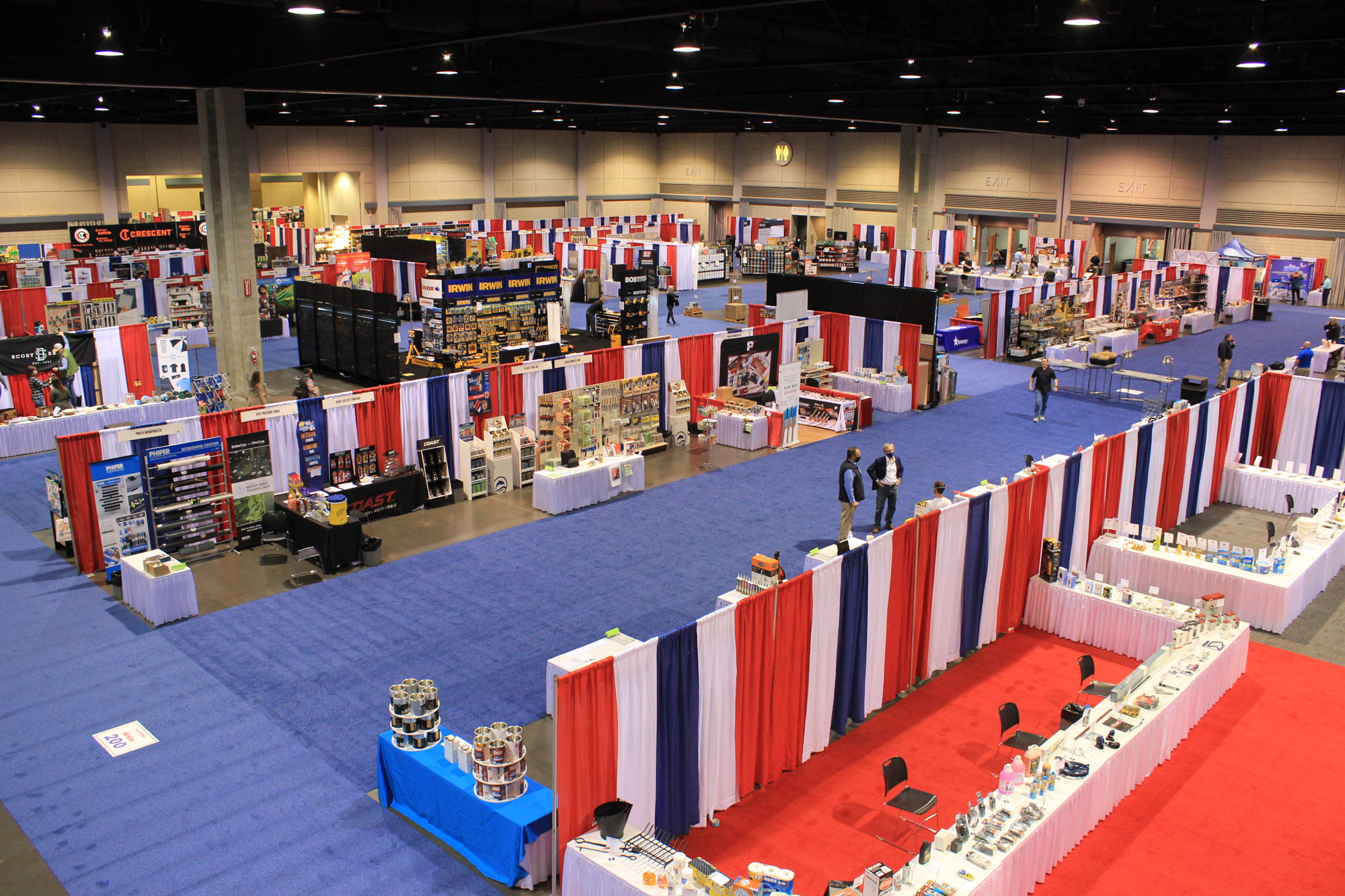
Event Types
Format-specific sections for trade shows, launches, activations, conferences, and roadshows.
Open section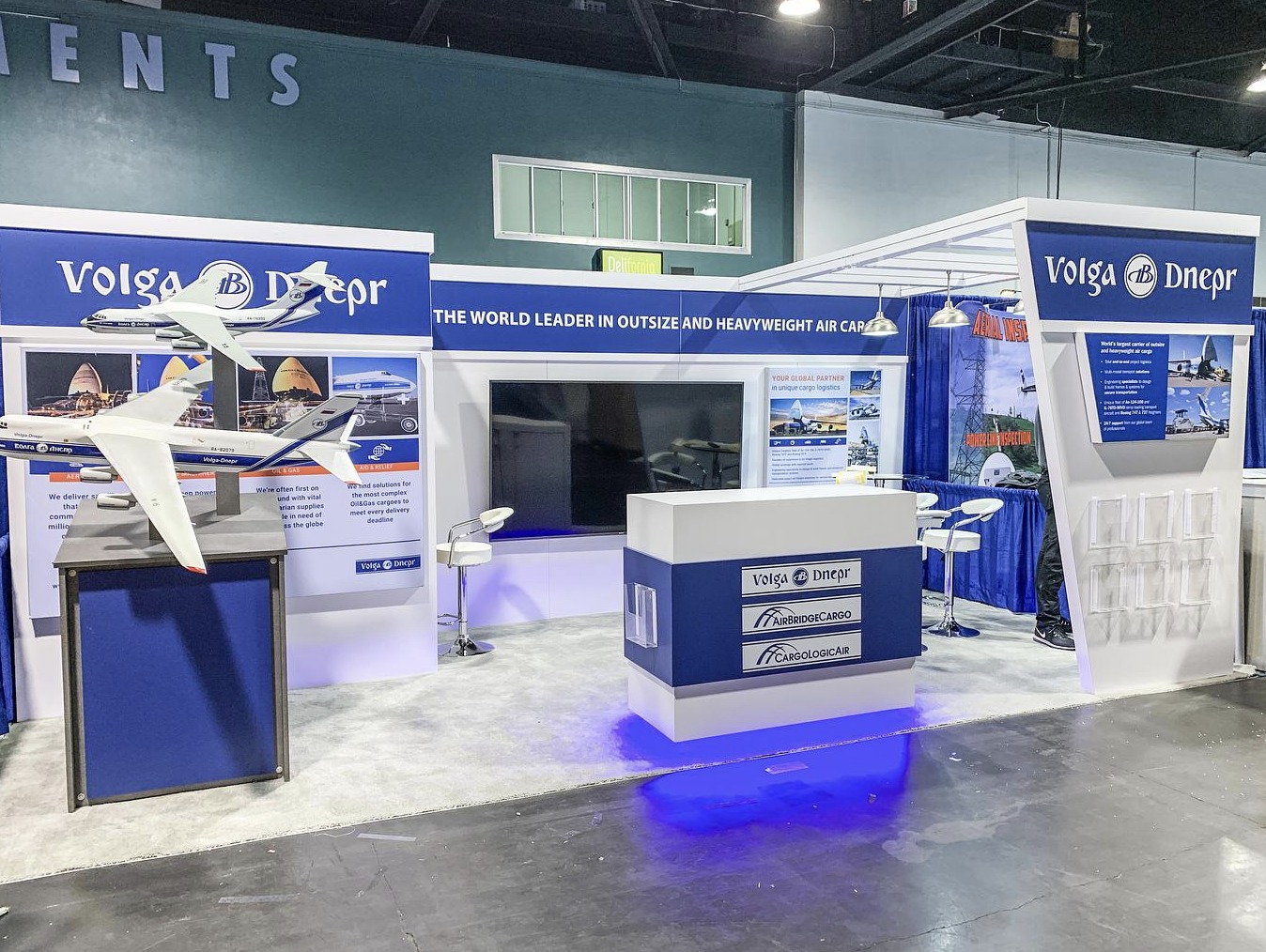
Booth Types
Inline, island, modular, portable, rental, custom, and double-deck booth paths.
Open section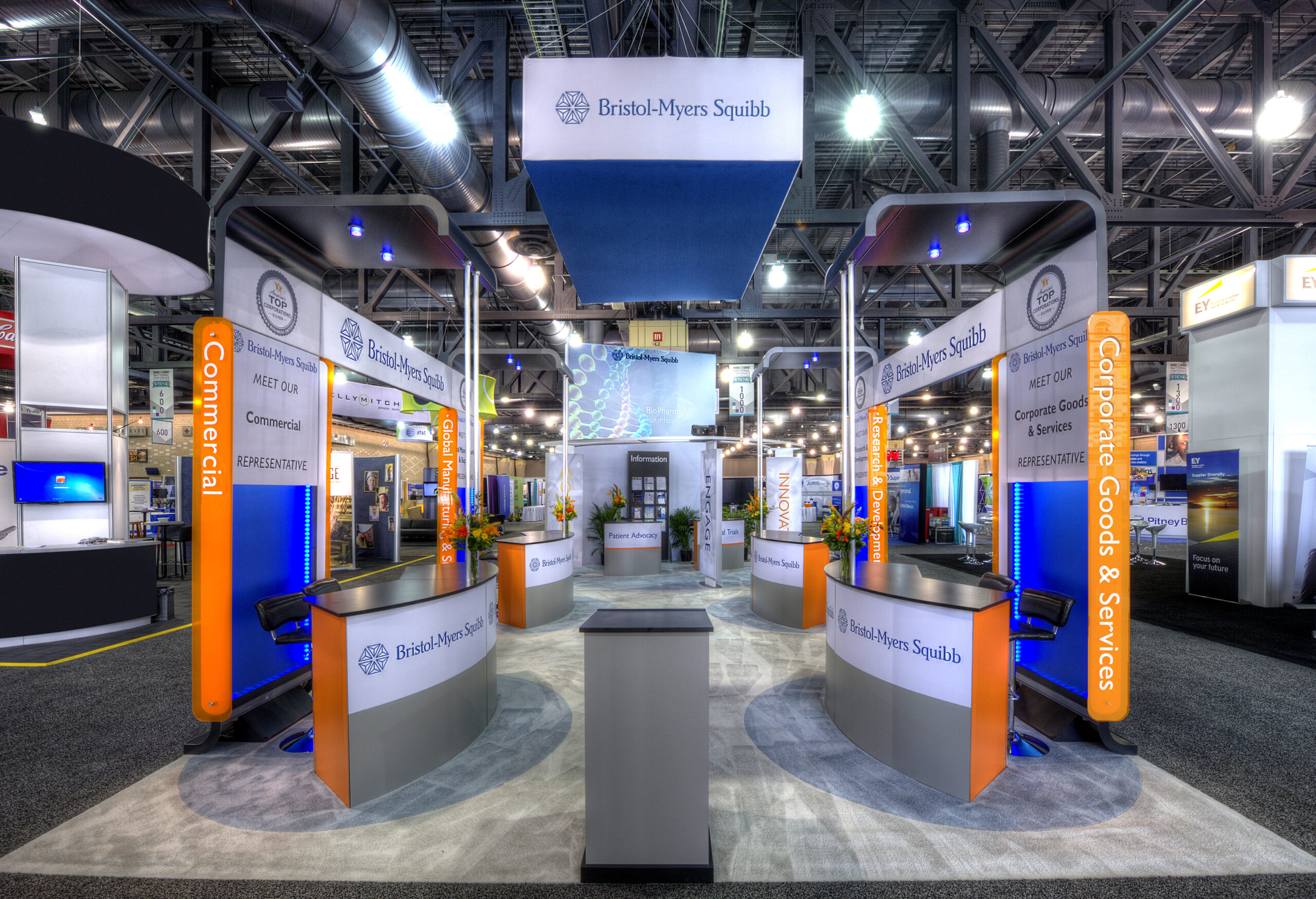
Capabilities
The delivery layers that keep vendors, labor, and venue rules connected.
Open section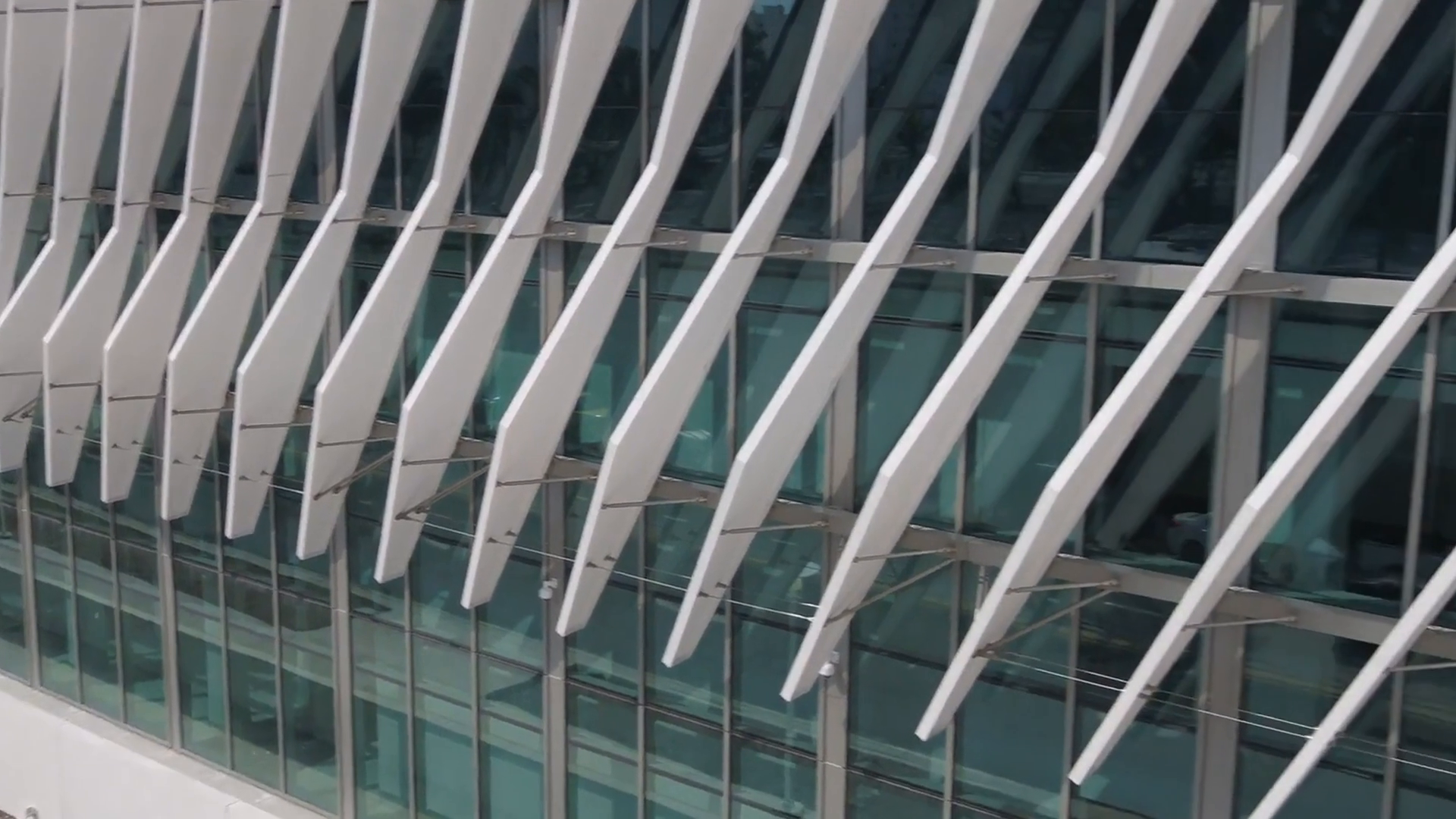
Rentals
Display, AV, LED, lounge, and modular inventory options for faster deployment.
Open section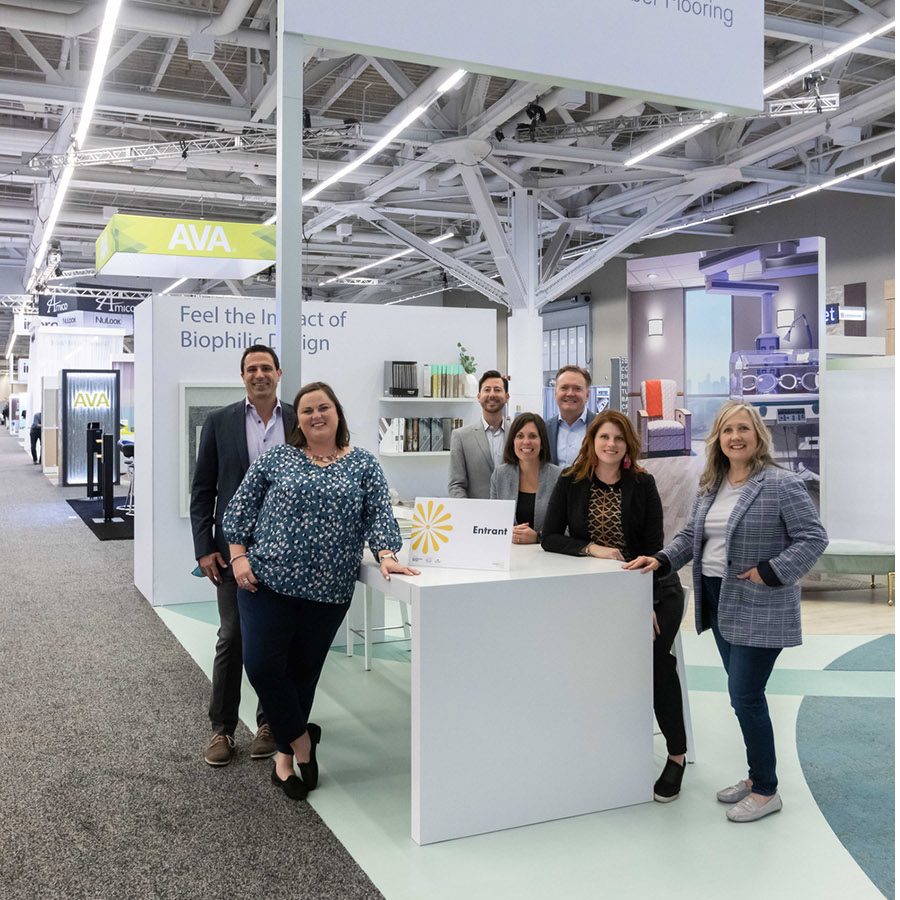
Industries
Audience- and stakeholder-specific operating guidance by sector.
Open sectionStart The Brief
Send the venue, dates, footprint, and the parts of the week that still feel uncertain.
That is enough to pressure-test the scope. The point of the first conversation is to identify the operating gaps early, not pad the deck with filler.