What a Strong Next Move Looks Like
A productive conversation should also settle priorities. If the most important outcome is stronger aisle impact, better hospitality, cleaner demonstrations, easier reuse, faster installation, tighter budget control, or more confident show-site leadership, that should be stated plainly. Clear priorities make tradeoffs easier to judge and easier to explain internally.
Portable Trade Show Displays inside the Miami show calendar
Portable Trade Show Displays becomes a real operating decision when Coastal Convention Center at Fontainebleau Miami Beach is on the shortlist. The room determines access windows, service-order exposure, labor posture, and how much testing or punch time survives before doors open.
Miami Design District, FL adds the routing layer. Travel time, staging options, freight access, and client hospitality all affect how the booth footprint should be staffed and sequenced.
Scope decisions before pricing
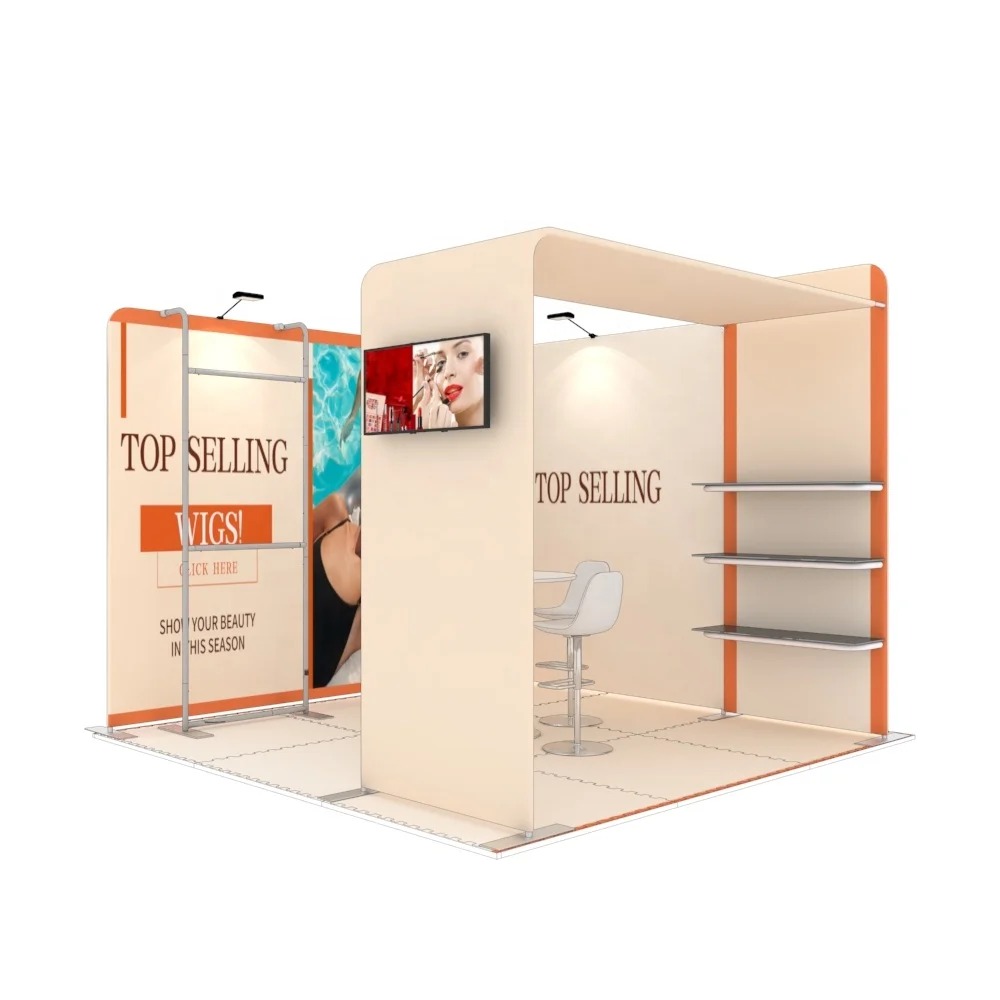
Portable Trade Show Displays usually fits teams prioritizing speed, flexibility, reuse, and a cleaner logistics profile. The useful budget conversation names what the work must own: approvals, production details, labor calls, freight movement, technical support, supervisor coverage, or close-out recovery.
Lighter booth systems still fail when graphics, inventory fit, and venue timing are not matched to the room. That risk is cheaper to control when owners, dates, and venue dependencies are visible before purchase orders and graphics deadlines start moving.
Venue, labor, and handoff control
Custom Exhibit Fabrication is the adjacent service to compare because it shows where this scope ends and where another operating owner should begin.
Miami teams get better outcomes when that handoff map is tied to the venue manual, the official contractor, the exhibitor-appointed contractor, and the brand-side decision makers before anyone is standing on the floor.
Closeout and repeat use
Portable Trade Show Displays should also protect what happens after the show. Crate condition, graphics recovery, rental return, storage choice, lead-capture hardware, and notes from the supervisor all influence whether the next Miami or South Florida date starts cleanly.
A disciplined closeout gives marketing, sales, operations, and procurement a clearer read on what worked, what created avoidable friction, and what should be changed before the next venue deadline appears.
- Check inventory fit against the real venue footprint and schedule.
- Coordinate graphics swaps, freight weight, and setup speed together.
- Make reuse and reset part of the early booth-format decision.
- Capture strike notes while the room conditions are still fresh.
Cost drivers for Portable Trade Show Displays
Portable Trade Show Displays pricing should be tested against the conditions that actually create cost: freight release timing, material handling exposure, labor depth, overtime risk, graphics changes, utility orders, AV testing time, and how much supervision the room needs once multiple vendors are active.
Coastal Convention Center at Fontainebleau Miami Beach can shift those costs quickly. A room with tighter access, more technical dependency, or heavier guest-facing pressure may need earlier approvals and more conservative crew planning than the same booth footprint would require in a simpler ballroom setup.
Stakeholder handoffs for Portable Trade Show Displays
Marketing, sales, operations, procurement, venue contacts, and the show organizer usually look at portable trade show displays from different angles. The handoff map should show what each group must approve, what can still change, and which person has authority when a field decision affects cost or timing.
Custom Exhibit Fabrication becomes useful when that handoff map needs a clear operating owner. It keeps the booth footprint connected to labor calls, freight handling, service orders, and final punch work instead of leaving each decision in a separate thread.
Field notes for the next South Florida date
Portable Trade Show Displays should leave behind more than a finished room. Supervisor notes, freight condition, missing parts, graphics wear, labor timing, lead-capture issues, and stakeholder feedback should be captured while the show is still fresh.
Miami Design District context matters on the next calendar too. What worked in one corridor may need a different receiving plan, schedule buffer, or staffing posture at the next venue, especially when the program moves between Miami-Dade and Broward.
- Record actual install and strike timing, not only the planned schedule.
- Document freight, graphics, AV, and service-order issues while the team can still see the cause.
- Carry venue-specific lessons into the next show brief before a new estimate is approved.
First hour on site for Portable Trade Show Displays
The first hour should confirm the receiving condition, crate or rental inventory, booth footprint, utility status, graphics priority, and the communication path to the service desk. For portable trade show displays, that early check prevents the crew from building around a missing decision.
A supervisor should also verify whether the plan still matches the room. If the aisle condition, rigging note, power drop, storage option, or sponsor requirement has changed, the adjustment needs to be made before labor is buried in work that will have to be touched twice.
Approval trail and closeout discipline
Portable Trade Show Displays works better when approvals are visible: final artwork, structural assumptions, outbound labels, rental return condition, AV ownership, service desk notes, and any client changes that affect cost. The paper trail protects the opening and the post-show conversation.
Closeout should produce a cleaner next estimate. The team should know which materials traveled well, which timing assumptions were wrong, which venue requirements created friction, and whether the same booth footprint should be repeated, simplified, or upgraded for the next South Florida date.